High Protein Foods by Category
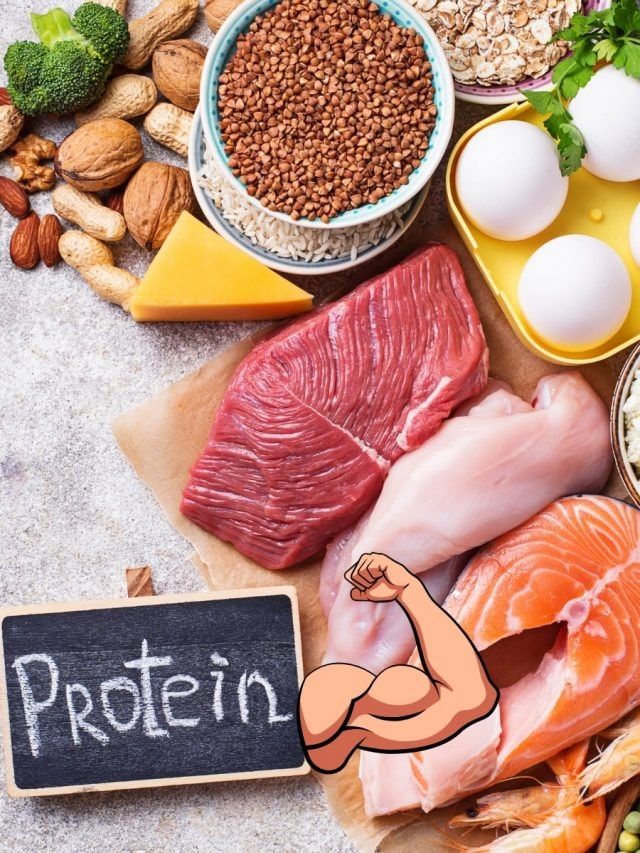
Protein is one of the most important nutrients in the human diet. It plays a key role in muscle maintenance, tissue repair, enzyme production, and overall body function. Many people search for high protein foods to support fitness goals, weight management, or general nutrition.
This article provides a clear and organized high protein foods list. The focus is on common foods available in the United States, with protein amounts per serving and simple explanations. No supplements are required to meet protein needs when food choices are planned correctly.
What Is Protein
Protein is a macronutrient made of amino acids. The body uses amino acids to build and repair tissues. Some amino acids must come from food because the body cannot produce them.
Protein is found in both animal and plant foods. Animal sources usually provide complete protein, meaning they contain all essential amino acids. Plant sources may be incomplete but can still meet protein needs when eaten in variety.
How Much Protein Do You Need
Protein needs vary depending on age, body weight, and activity level.
- Average adults: 0.8 grams per kilogram of body weight
- Active individuals: 1.2–1.6 grams per kilogram
- Athletes: up to 2.0 grams per kilogram
These values are general guidelines and can be met through whole foods without relying on protein supplements.
High Protein Animal Foods
Lean Meats
Lean meats are among the most concentrated protein sources.
| Food | Protein per 100g |
|---|---|
| Chicken breast | 31g |
| Turkey breast | 29g |
| Lean beef | 26g |
| Pork loin | 27g |
Lean meats also provide iron, zinc, and vitamin B12.
Fish and Seafood
Fish provides high protein along with beneficial fats.
| Food | Protein per 100g |
|---|---|
| Tuna | 30g |
| Salmon | 25g |
| Cod | 24g |
| Shrimp | 24g |
Seafood is also a good source of iodine and omega-3 fatty acids.
Eggs
Eggs are a complete protein source and widely available.
- 1 large egg: 6–7g protein
- Egg whites: high protein, low fat
Eggs are commonly used in high protein diets due to their versatility.
Dairy High Protein Foods
Milk and Yogurt
| Food | Protein per serving |
|---|---|
| Greek yogurt (1 cup) | 17g |
| Milk (1 cup) | 8g |
| Skim milk (1 cup) | 8g |
Greek yogurt is one of the highest protein dairy products.
Cheese
- Cottage cheese (1 cup): 24g protein
- Cheddar cheese (30g): 7g protein
- Mozzarella (30g): 6g protein
Cheese should be eaten in moderation due to fat content.
High Protein Plant-Based Foods
Legumes
Legumes are a major protein source in plant-based diets.
| Food | Protein per cooked cup |
|---|---|
| Lentils | 18g |
| Chickpeas | 15g |
| Black beans | 15g |
| Kidney beans | 13g |
Soy-Based Foods
- Tofu (100g): 8g protein
- Tempeh (100g): 19g protein
- Edamame (1 cup): 17g protein
Soy foods provide complete protein.
Nuts and Seeds
- Almonds (30g): 6g protein
- Peanuts (30g): 7g protein
- Chia seeds (30g): 5g protein
- Pumpkin seeds (30g): 7g protein
Nuts and seeds also provide healthy fats.
High Protein Grains
Some grains contain more protein than others.
- Quinoa (1 cup cooked): 8g protein
- Oats (1 cup cooked): 6g protein
- Brown rice (1 cup cooked): 5g protein
Grains are usually combined with legumes for balanced protein intake.
High Protein Snacks
- Greek yogurt
- Hard-boiled eggs
- Roasted chickpeas
- Cottage cheese
Snacks can contribute significantly to daily protein intake.
Animal vs Plant Protein Comparison
Animal protein is typically more concentrated, while plant protein provides fiber and additional nutrients.
| Type | Protein Density | Fiber |
|---|---|---|
| Animal Protein | High | Low |
| Plant Protein | Moderate | High |
Common Mistakes When Choosing High Protein Foods
- Ignoring portion size
- Overreliance on supplements
- Skipping plant protein sources
- Choosing processed foods
Frequently Asked Questions
What food has the highest protein content?
Lean meats and fish generally contain the highest protein per gram.
Can you meet protein needs without meat?
Yes, by combining legumes, grains, soy products, and dairy.
Is high protein intake safe?
For healthy individuals, protein intake within recommended ranges is generally safe.
Do high protein foods help with weight management?
Protein can support satiety and muscle maintenance.
Is protein powder necessary?
No, most people can meet protein needs through food.
Conclusion
A high protein diet can be achieved through a wide variety of foods. Both animal and plant sources contribute valuable nutrients beyond protein alone. By choosing whole, minimally processed foods and balancing portions, protein needs can be met effectively without relying on supplements.