Ostrich Meat Taste and Cooking Comparison
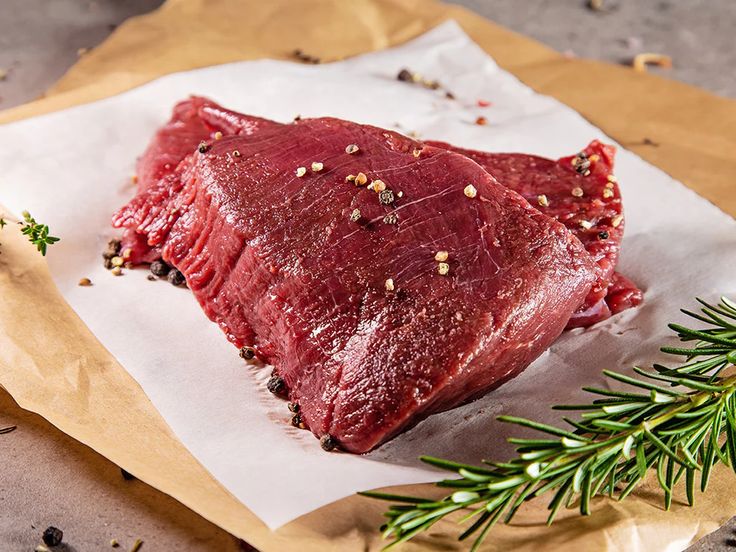
Ostrich meat is gaining attention in the United States as a lean red meat alternative. Many consumers are curious about how it tastes, how its texture compares to beef, and which cooking methods produce the best results. Although ostrich meat looks similar to beef, it behaves differently in the kitchen and delivers a unique eating experience.
This article explains ostrich meat taste, texture, cooking methods, and a direct taste comparison with beef. The goal is to provide clear, practical information without exaggeration or marketing language.
Ostrich Meat Taste
Ostrich meat has a mild and clean flavor. It does not have the strong or gamey taste often associated with exotic meats. Most people describe ostrich meat as similar to lean beef but slightly lighter in flavor.
The taste is neutral enough to absorb seasoning well, which makes it suitable for simple cooking styles. Unlike fatty meats, ostrich meat does not produce a rich aftertaste. This characteristic appeals to people who prefer clean-tasting protein sources.
Key taste characteristics include:
- Mild beef-like flavor
- No gamey or strong odor
- Clean finish after eating
- High sensitivity to seasoning
Ostrich Meat Texture
Texture is where ostrich meat differs most from beef. Ostrich meat is extremely lean and contains almost no intramuscular fat. This results in a firm yet tender texture when cooked correctly.
When cooked rare to medium, ostrich meat remains tender and smooth. Overcooking causes rapid moisture loss, making the meat dry and tough. Because of this, ostrich meat has a narrower margin of error during cooking.
Texture characteristics include:
- Fine muscle fibers
- Low fat content
- Firm bite without chewiness
- High sensitivity to overcooking
What Affects Ostrich Meat Taste and Texture
Several factors influence how ostrich meat tastes and feels when eaten. Understanding these factors helps prevent common cooking mistakes.
Cut Type
Different cuts vary in tenderness and moisture. Fillets and steaks are the most tender, while ground ostrich meat behaves differently due to processing.
Cooking Temperature
Lower internal temperatures preserve moisture. Cooking beyond medium significantly reduces tenderness.
Cooking Time
Short cooking times are essential. Ostrich meat cooks faster than beef.
Seasoning
Simple seasoning works best. Heavy sauces can overpower the natural flavor.
Ostrich Meat Cooking Methods
Choosing the right cooking method directly impacts taste and texture. Ostrich meat performs best with fast, high-heat methods.
Pan Cooking
Pan cooking is one of the most effective ways to prepare ostrich meat.
- Produces a clean sear
- Preserves moisture
- Enhances natural flavor
Cook on medium-high heat for a short duration. Resting after cooking is essential.
Grilling
Grilling adds light smoky notes without overpowering the meat.
- Best for steaks and fillets
- Requires careful temperature control
- Works well with minimal seasoning
Oven Cooking
Oven cooking is less common for ostrich meat but can be used for thicker cuts when combined with pan searing.
Low oven temperatures and short durations are recommended.
Ground Ostrich Meat Cooking
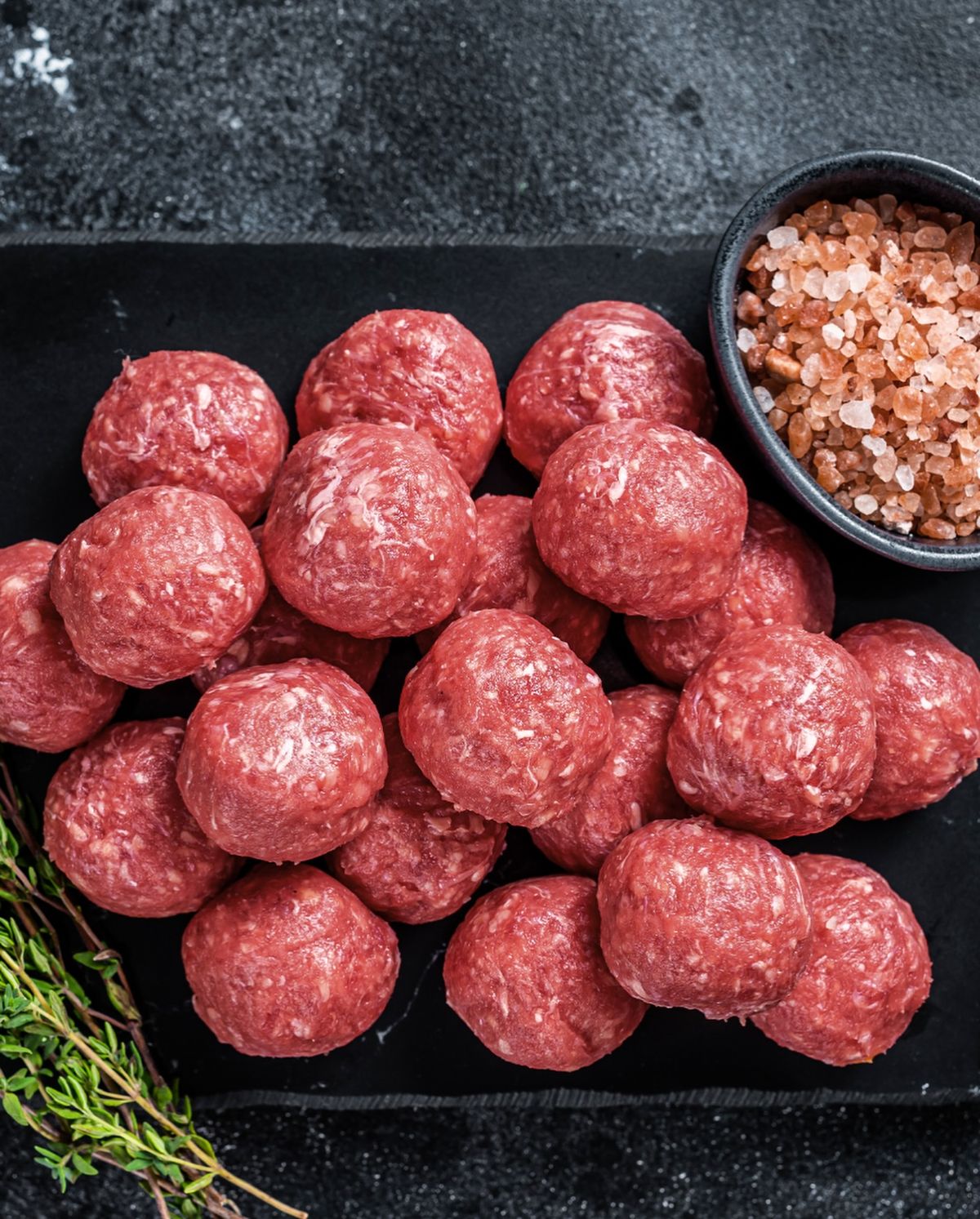
Ground ostrich meat behaves more like ground beef but cooks faster.
- Used for burgers and meatballs
- Requires full cooking for safety
- Benefits from added moisture ingredients
Best Cooking Methods for Flavor and Texture
Fast cooking methods produce the best results for ostrich meat. Slow cooking methods such as braising or stewing are not recommended due to moisture loss.
Recommended approaches include:
- High heat, short duration
- Minimal flipping
- Immediate resting after cooking
Ostrich Meat vs Beef Taste Comparison
Ostrich meat and beef share visual similarities, but their taste profiles differ.
Flavor Comparison
Beef has a richer flavor due to fat content. Ostrich meat tastes cleaner and lighter.
Texture Comparison
Beef remains juicy even when cooked longer. Ostrich meat requires precision.
Fat Content Impact
Fat in beef enhances flavor and moisture. Ostrich meat relies on cooking technique instead.
Cooking Behavior: Ostrich Meat vs Beef
Cooking ostrich meat like beef is a common mistake.
| Factor | Ostrich Meat | Beef |
|---|---|---|
| Fat Content | Very Low | Moderate to High |
| Cooking Time | Short | Medium to Long |
| Overcooking Risk | High | Lower |
Who Prefers Ostrich Meat Over Beef
Ostrich meat appeals to specific consumer groups.
- People who prefer lean meat
- Athletes and fitness-focused individuals
- Consumers avoiding high-fat diets
Those who prefer very juicy or fatty meat may favor beef.
Common Taste Complaints Explained
“Ostrich meat is dry”
This usually results from overcooking.
“Ostrich meat has no flavor”
Under-seasoning or improper cooking temperature is often the cause.
“Ostrich meat is tough”
Incorrect cut selection or excessive heat is responsible.
Seasoning Tips
Simple seasoning enhances ostrich meat without masking its natural taste.
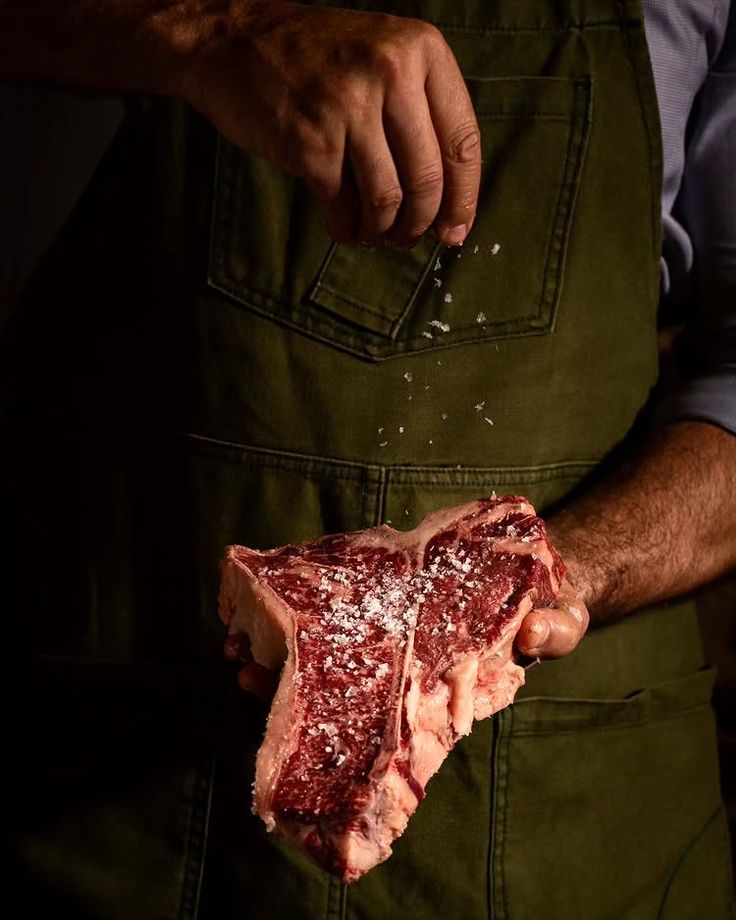
- Salt shortly before cooking
- Use light oil
- Avoid heavy marinades
Frequently Asked Questions
Does ostrich meat taste like beef?
Yes, but it is lighter and less rich.
Is ostrich meat tender?
Yes, when cooked correctly.
What is the best cooking method for taste?
Pan cooking and grilling.
Why does ostrich meat dry out easily?
Low fat content and overcooking.
Is ostrich meat better than beef?
It depends on personal taste and dietary preferences.
Conclusion
Ostrich meat offers a mild taste, firm texture, and fast cooking behavior. When prepared correctly, it provides a satisfying alternative to beef. Understanding its unique characteristics is essential to achieving good results. With proper cooking methods and realistic expectations, ostrich meat can be a valuable addition to a balanced diet.