Ostrich meat is becoming more available in the United States as more consumers look for lean, high-protein alternatives to traditional red meat. While ostrich meat looks similar to beef, it behaves very differently during cooking. Understanding the correct cooking temperature and safety practices is essential to avoid overcooking, dryness, or food safety issues.
This guide explains how to cook ostrich meat at home safely, including proper handling, internal cooking temperatures, recommended cooking methods, and common mistakes to avoid.
What Makes Ostrich Meat Different
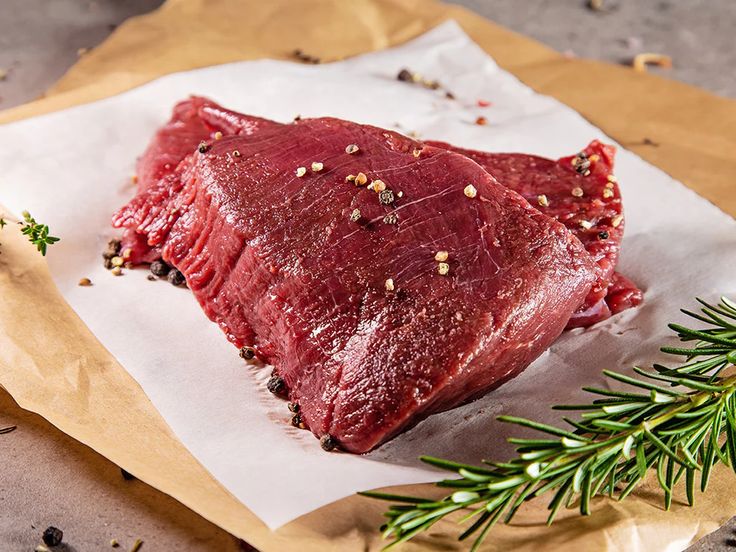
Ostrich meat is classified as red meat, but it is much leaner than beef. It contains very little fat and almost no marbling. This low fat content causes ostrich meat to cook faster and dry out more easily if cooked incorrectly.
Because of its structure, ostrich meat should not be cooked using the same methods or temperatures commonly used for beef. Overcooking is the most common mistake when preparing ostrich meat at home.
- Very low fat content
- High protein density
- Quick cooking time
- Best served rare to medium
Food Safety Basics for Ostrich Meat
Food safety begins before cooking. Proper handling of raw ostrich meat reduces the risk of bacterial contamination and ensures safe consumption.
Storage
Store raw ostrich meat in the refrigerator at or below 40°F (4°C). If not used within 2 days, it should be frozen.
Handling
Always wash hands before and after handling raw meat. Use separate cutting boards for meat and vegetables to avoid cross-contamination.
Thawing
Thaw frozen ostrich meat in the refrigerator. Never thaw at room temperature.
Safe Cooking Temperature for Ostrich Meat
Cooking temperature is the most important factor when preparing ostrich meat. Unlike poultry, ostrich meat does not need to be fully cooked to a high internal temperature.
The recommended internal temperature for whole cuts of ostrich meat is:
- Rare: 120–125°F (49–52°C)
- Medium-rare: 130–135°F (54–57°C)
- Medium: 140–145°F (60–63°C)
Cooking beyond 150°F will result in dry and tough meat.
Ground ostrich meat should be cooked to a higher temperature for safety reasons:
- Ground ostrich meat: 160°F (71°C)
How to Measure Internal Temperature
A digital meat thermometer is essential when cooking ostrich meat. Guessing doneness by color or cooking time often leads to overcooking.
Insert the thermometer into the thickest part of the meat, avoiding contact with the pan or grill surface.
Remove the meat from heat when it is 5°F below the target temperature, as it will continue cooking while resting.
How to Cook Ostrich Meat at Home
Pan Cooking
Pan cooking is one of the easiest methods for beginners.
- Preheat a heavy skillet over medium-high heat.
- Add a small amount of oil with a high smoke point.
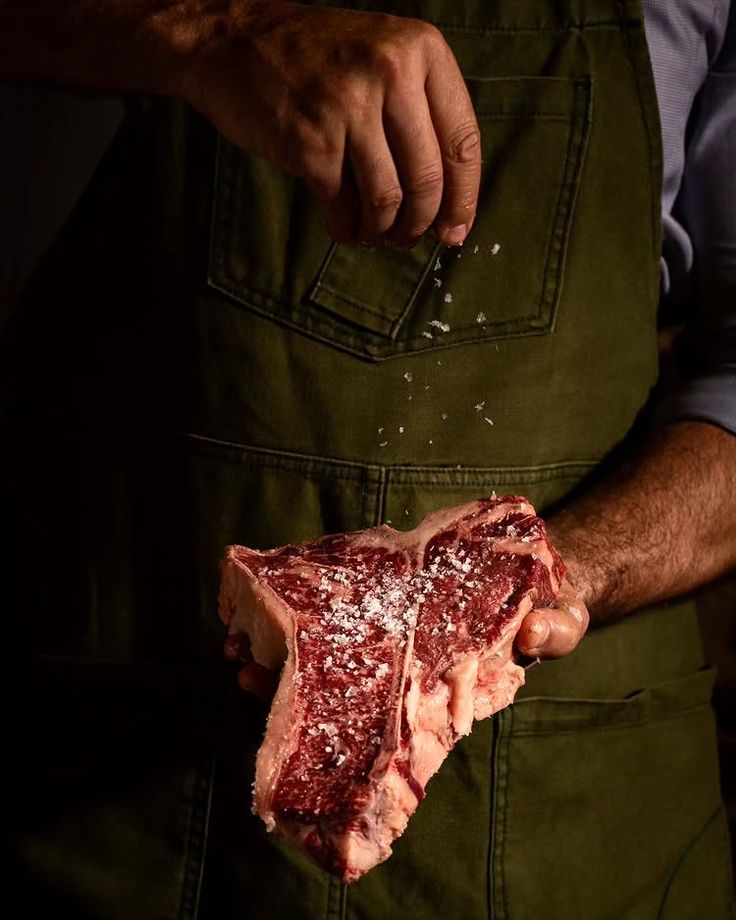
- Season meat lightly with salt and pepper.
- Cook 2–3 minutes per side depending on thickness.
- Check internal temperature.
- Rest before serving.
Grilling
Grilling works well for ostrich steaks and fillets.
- Preheat grill to medium-high.
- Oil grill grates lightly.
- Grill 2–4 minutes per side.
- Avoid flare-ups.
Oven Cooking
Oven cooking is suitable for thicker cuts.
Sear meat first in a pan, then transfer to a preheated oven at 375°F (190°C) until target temperature is reached.
Best Cooking Methods by Cut
Ostrich Steak
Best cooked quickly using pan or grill methods. Avoid slow cooking.
Ostrich Fillet
Very tender and cooks fast. Best served rare to medium-rare.
Ground Ostrich Meat
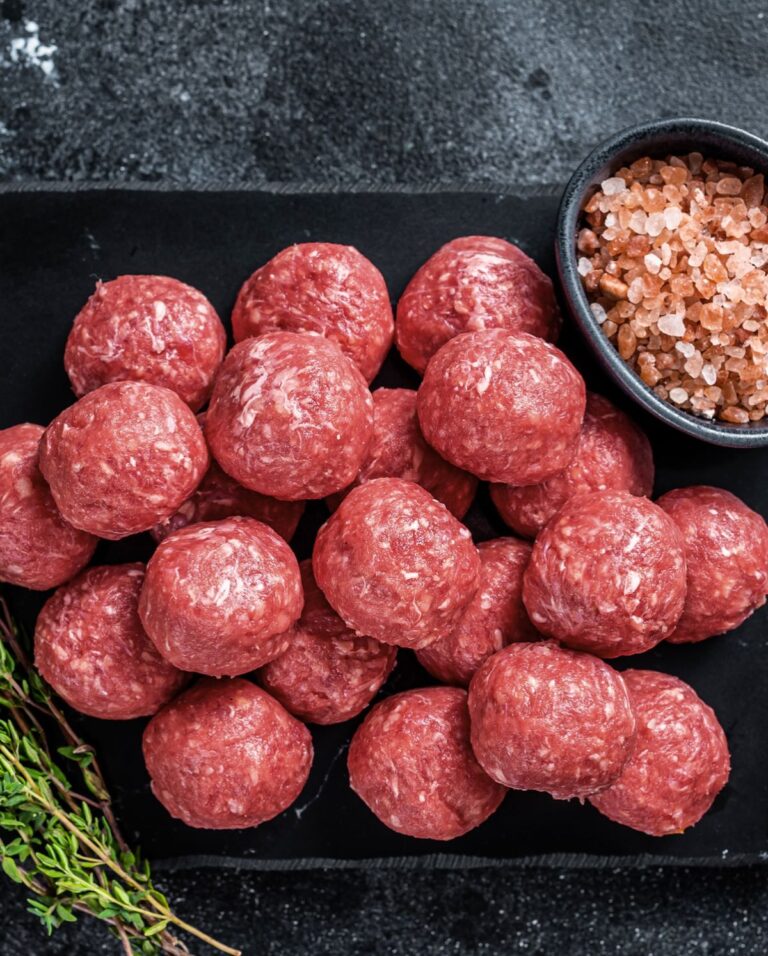
Suitable for burgers, meatballs, and tacos. Must be fully cooked.
Common Cooking Mistakes
- Cooking ostrich meat like beef
- Using high heat for too long
- Skipping the thermometer
- Not resting the meat
Resting Time After Cooking
Resting allows juices to redistribute inside the meat.
Recommended resting time:
- Small cuts: 3–5 minutes
- Large cuts: 5–8 minutes
Seasoning and Marinade Safety
Because ostrich meat is lean, heavy marinades are not necessary.
If using marinades:
- Marinate in the refrigerator only
- Do not reuse marinade
- Pat meat dry before cooking
Leftovers Storage and Reheating
Cooked ostrich meat can be stored in the refrigerator for up to 3 days.
Reheat gently to avoid dryness. Do not reheat more than once.
Frequently Asked Questions
Can ostrich meat be eaten rare?
Yes, whole cuts of ostrich meat can be eaten rare if handled and cooked properly.
Does ostrich meat need longer cooking than beef?
No. Ostrich meat cooks faster than beef due to its low fat content.
Is ostrich meat safer than chicken?
Ostrich meat has lower contamination risk compared to poultry but still requires proper handling.
Why does ostrich meat dry out easily?
The lack of fat causes moisture loss if overcooked.
Do I need special equipment?
A meat thermometer is strongly recommended.
Conclusion
Cooking ostrich meat at home safely requires attention to temperature, timing, and handling. When cooked correctly, ostrich meat is tender, flavorful, and easy to prepare. By following proper food safety practices and avoiding overcooking, you can enjoy ostrich meat as a healthy alternative to traditional red meat.